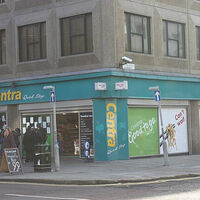



DUBLIN, Ireland: Tesco Ireland Ltd has initiated High Court proceedings to secure an injunction requiring a couple to remove horses and vacate an eight-acre site it owns in Briarhill, Galway City.
The site, which Tesco hopes to develop, has become the center of a legal dispute involving land occupation, alleged adverse possession, and regulatory action by local and national authorities.
According to evidence presented to the court, Martin and Kathlee Donovan, who live in a caravan at the nearby halting site in Túr Uisce, Doughiska, have been keeping horses on Tesco's land and using existing structures as improvised stables. The company alleges that the Donovans have been occupying the property without permission and preventing necessary development and maintenance works from being carried out.
At a recent meeting with Tesco representatives, the Donovans reportedly said they would only agree to move the horses if they received financial compensation. They indicated the funds would be used to purchase or rent an alternative location for the animals. Tesco declined the offer.
The Donovans also claimed they have occupied the land for 15 years and may therefore have a right to it under the legal principle of adverse possession, commonly known as squatters' rights. However, Tesco has rejected this argument outright, asserting that any such claim is without legal merit and is "bound to fail."
Regulatory issues further complicate the matter. Galway City Council has placed the site on the derelict sites register, warning Tesco that it must render the land "other than derelict." Failure to do so could lead to substantial levies and even the possibility of a compulsory purchase order by the Council. Tesco argues it has been unable to access the property to carry out necessary work due to safety concerns and the presence of the Donovans and their animals.
In addition to local government pressure, the Department of Agriculture has issued a formal notice requiring the removal of the horses from the site. However, court documents reveal that while the horses were temporarily removed, they were brought back after inspectors visited the site to verify compliance.
Tesco has taken steps to secure the property by installing paladin fencing around the site's perimeter. However, the company claims that locks on the gates were removed and replaced with new locks that they did not install, further complicating access to the property.
The site in question is also of interest for infrastructure development. Part of it has already been subject to a compulsory purchase order as part of the N6 Galway Ring Road project. The ongoing occupation and the related legal and regulatory entanglements have hindered Tesco's broader development plans for the remaining land.
Mr. Justice Brian Cregan, presiding over an ex parte application made by Tesco's legal team, granted permission for the defendants to be served legal documents on an expedited basis. The judge instructed that the notice include a version written in "plain English" to ensure clarity. He also permitted Tesco to inform the Donovans of the proceedings through contact details it holds for them, including phone and email. He scheduled the case to return to court next week for further consideration.
As the legal battle unfolds, Tesco remains adamant about regaining complete control of its property. At the same time, the Donovans maintain their claim to the land and their right to continue keeping animals there—a dispute now headed for a decisive hearing in the High Court.